Herbal Allies for Allergy Season
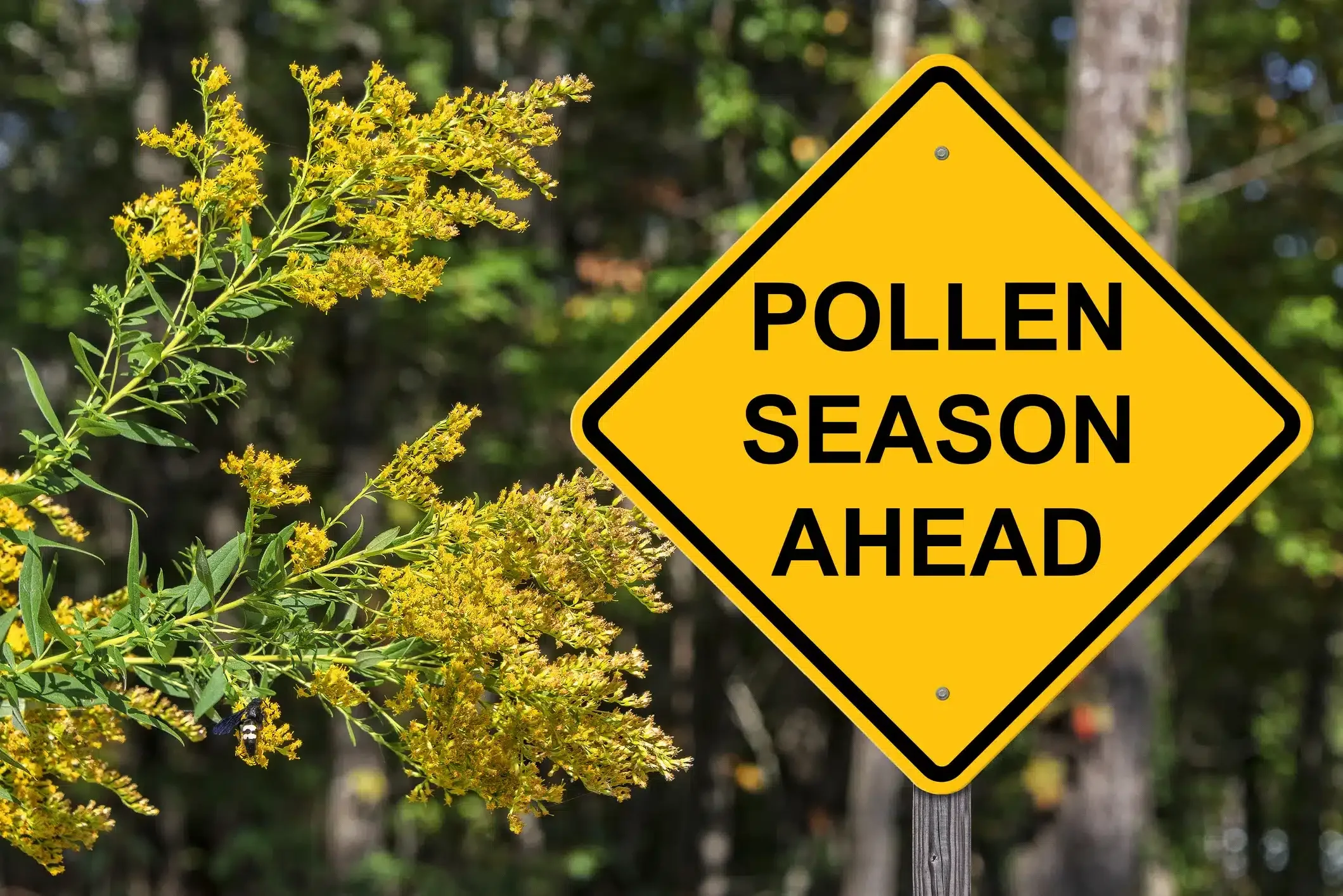
It’s that time of year again — the time where everything is coated with a thick layer of green pollen, and it feels like nature is getting its revenge on us. However, we can work with nature instead of against it to keep us breathing during the great pollen-ing.
How Do Allergies Work In The Body?
Triggers
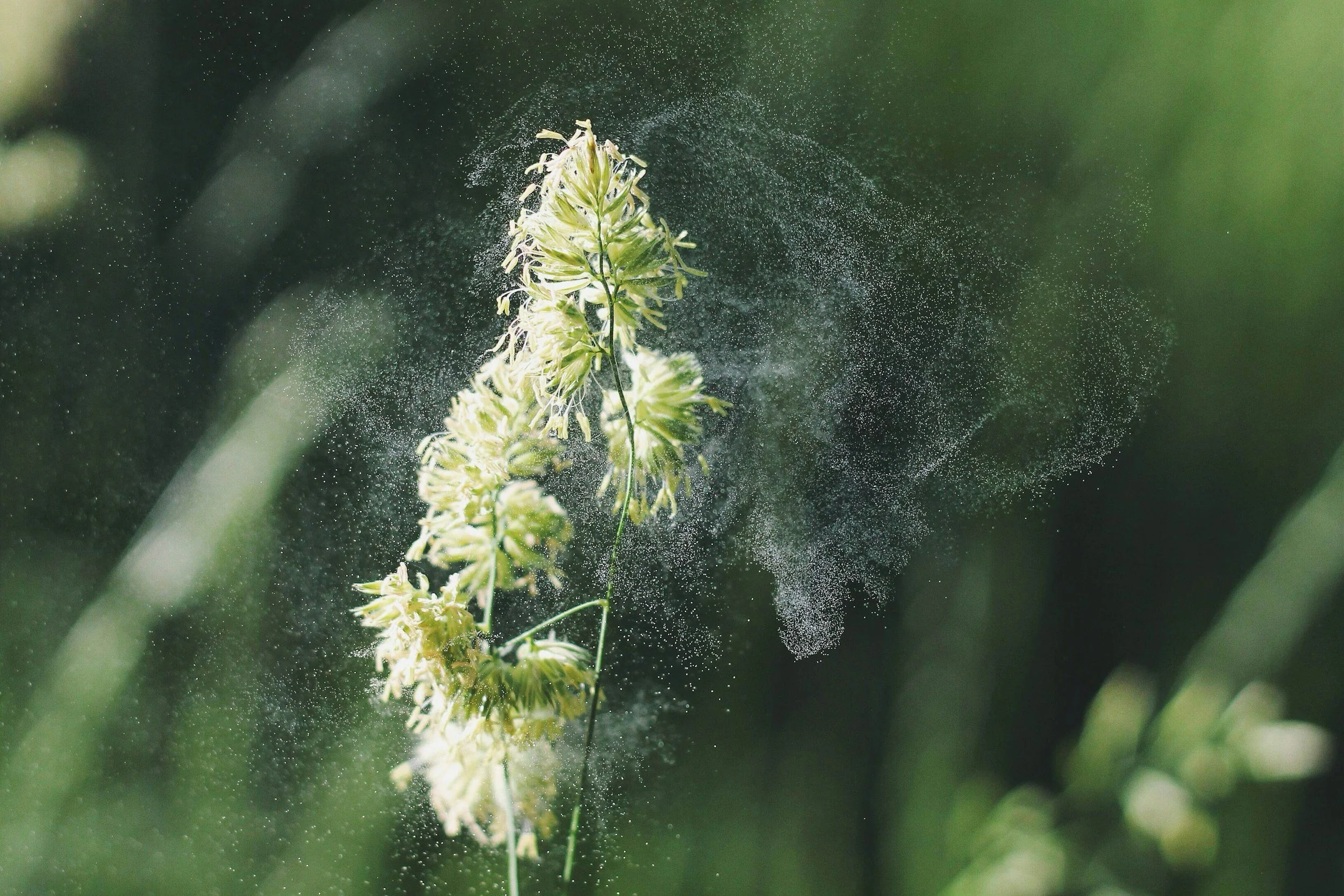
Seasonal allergies are triggered by allergens, which are substances that the body incorrectly identifies as harmful. Common Seasonal allergies include pollen from trees, grass, and weeds, as well as mold spores.
Hypersensitive Reaction
When the immune system encounters an allergen, it releases antibodies, including IgE, which bind to cells and trigger the release of chemicals like histamine, leukotrienes, and prostaglandins.
Results
Symptoms such as a runny or stuffed nose, itchy or watery eyes, sneezing, sore throat, coughing, and fatigue are the result of an overreaction from the immune system.
Gut Health In Relation To Allergies
A balanced gut nurtures immune cells that respond with precision, dampening the intensity of allergic reactions. Additionally, the gut microbiota contributes to the production of short-chain fatty acids (SCFAs) with anti-inflammatory properties, further shaping our body's response to allergens.
Fun Fact: The gut hosts 60% of immune cells, influencing inflammation, nutrient absorption, and detoxification
Helpful Herbal Actions For Seasonal Allergies
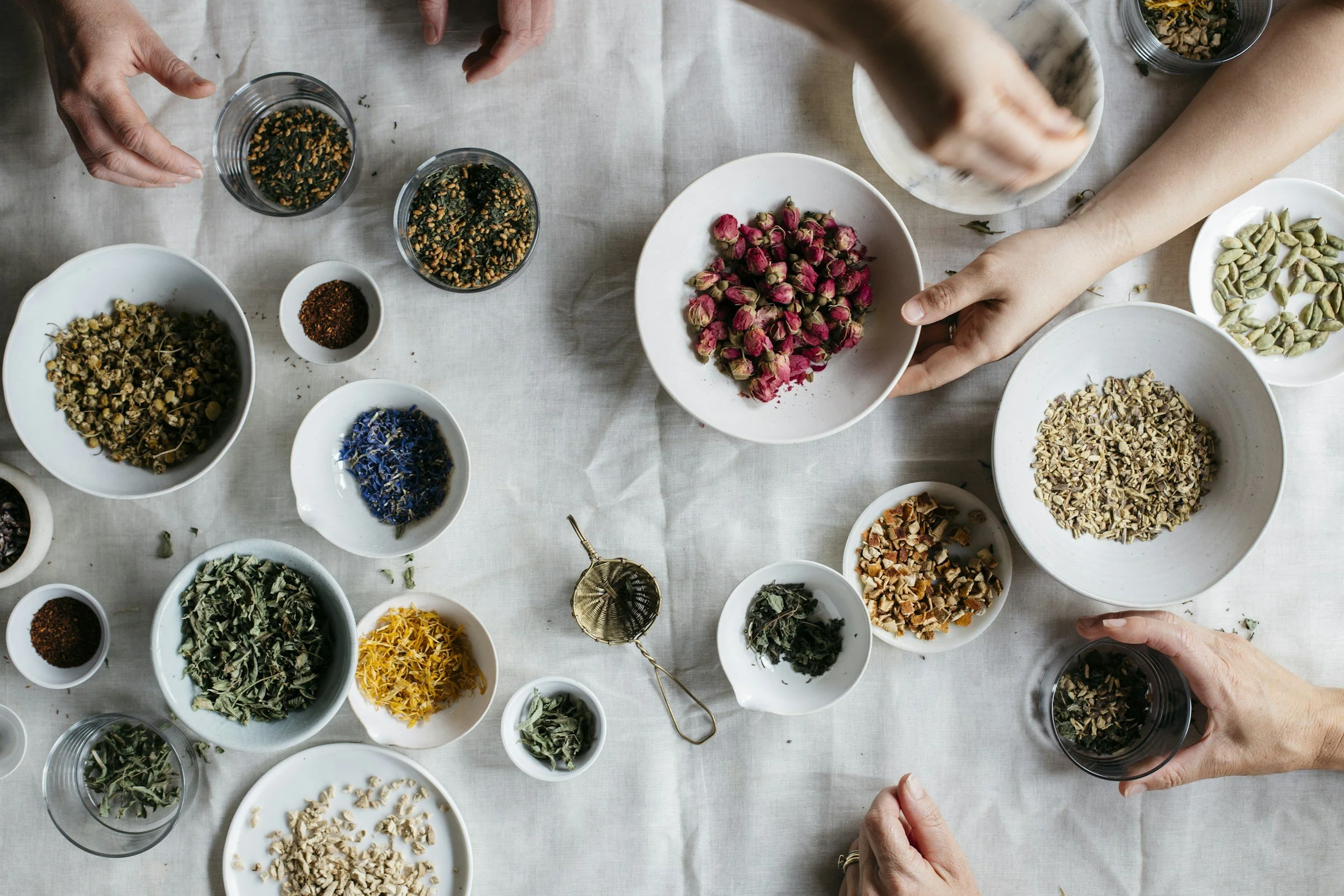
For a stuffed or runny nose, we are going to want something that will clear out and dry up the mucus. This is best accomplished through the use of anticatarrhals and expectorants.
To alleviate bouts of coughing, the traditional antitussive can be very helpful, but also trying to relax the overworked, exhausted muscles through antispasmodics can assist in reaching a state of rest.
With inflamed tissues like itchy and watering eyes, burning lungs, or a sore throat, searching out cooling and calming herbs can help soothe those tissues. The best herbal actions for this are anti-inflammatories as well as demulcents.
The body processes histamines through the liver, one of the organs that is most often abused! In order to support the liver and its natural detoxification process, herbs that are alterative or bitter are most helpful in this situation.
Lastly, a balanced gut microbiome will assist in more appropriate immune system response, so probiotic herbs are a great choice in this case!
Highlight Of Helpful Herbs
Mullein
Mullein is beneficial to most conditions concerning the respiratory system. It reduces inflammation while stimulating fluid production, making it a great expectorant! It also tones the mucus membranes so that excess fluid does not leak out and build up. Mullein is useful for conditions such as bronchitis, inflammation of the trachea, and most any highly inflammatory condition associated with the lungs due to its anti-inflammatory and demulcent properties.
Actions: demulcent, expectorant, lung tonic, anti-inflammatory, antispasmodic, vulnerary
Burdock
This herb stimulates digestive juices, “priming the pump,” and aiding in digestion. Burdock improves indicators of systemic imbalance, and overall works toward a state of balance in the body. It also stimulates lymphatic circulation, clearing stagnant lymph in the case of illness. Burdock also supports elimination pathways by toning the tissues of the urinary system and moving excrement toward elimination, and it helps in cases of muscle atrophy.
Actions: alterative, diuretic, bitter, diaphoretic, prebiotic, laxative, nutritive tonic, lymphatic
Contraindications: May cause allergic reactions in people with sensitivities to plants in the Asteraceae family. Generally gentle in nature, but has a mild hypoglycemic action, so use caution in cases where medication would affect the blood sugar.
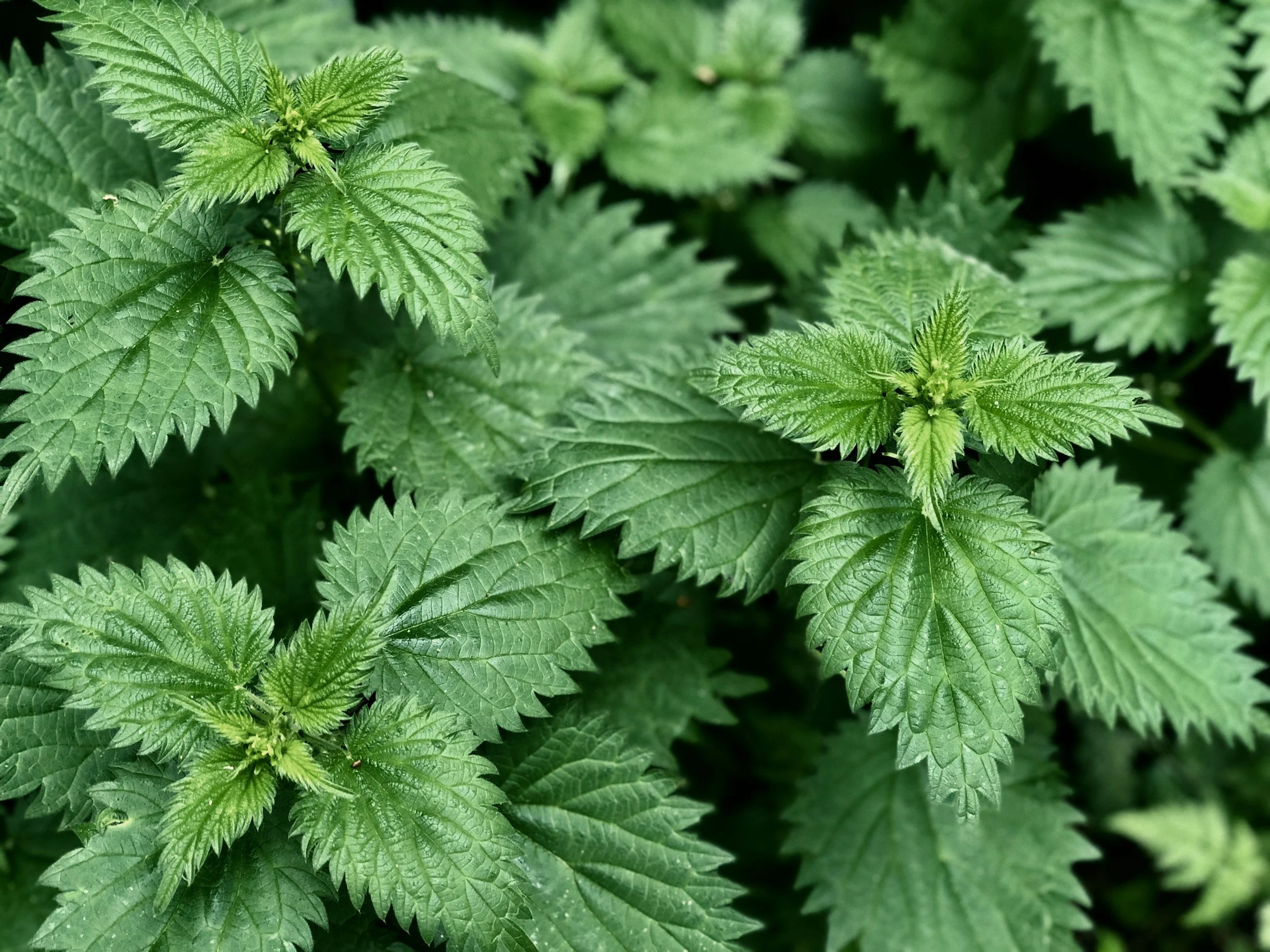
Stinging Nettle
Nettle has been used for centuries as a spring time tonic and detoxifying remedy. When used internally and topically, it may be helpful for myalgia and osteoarthritis. It is known as a specific for childhood eczema, and can assist the reduction of eczema in adults. Nettle has both hyperglycemic and hypoglycemic constituents, making it a natural blood sugar balancer. It also relieves symptoms of hemorrhage anywhere in the body, and is full of iron, calcium, magnesium, protein, and other nutrients.
Actions: astringent, diuretic, tonic, hypotensive, anti-inflammatory, alterative, nutritive, rubefacient, slightly nervine to the adrenals, and the seed itself is trophorestorative to the adrenals.
Contraindications: Nettle is extremely safe, but the live plant can cause skin irritation, or urticaria. The dried or blanched plant does not produce this effect. Contraindicated with someone is experiencing kidney stones, as nettle would exacerbate the drying. Overuse can lead to dehydration, especially if combined with other diuretics.
Blessed Thistle
A bitter plant, with a high mineral content, blessed thistle strengthens the liver and digestive system. It is also used by nursing mothers to enhance their breast milk.
Actions: alterative, bitter, cholagogue, galactagogue, and hepatic
Contraindications: Bitters are not recommended during pregnancy.
Eyebright
This herb has a history of being used to treat eye infections. In its fresh form, it is useful during upper respiratory congestion and acute irritation of the sinuses and eyes. A fresh plant tincture of eyebright has been used to open the Eustachian tubes in children.
Actions: anti-allergenic, anti-inflammatory, and astringent
Contraindications: Do NOT use eyebright tinctures as eye drops, use the tea as an eye wash instead.
Goldenrod
Goldenrod has an affinity to both the urinary and respiratory tracts. It is helpful in urinary tract obstructions, kidney stones, inflammation, hay fever, cat allergies, upper respiratory tract infections, and yeast infections like thrush. It can also be used as a topical anti-inflammatory for sore muscles.
Actions: anti-inflammatory, antiseptic, diuretic, and kidney tonic
Contraindications: Edema from kidney failure.
Orange Peel
Yes, that orange peel! It is aromatic and bitter, and therefore stimulates both appetite and digestion. It is also used as a driving herb for respiratory formulas.
Actions: aromatic, bitter, carminative, decongestant, and digestive tonic
Contraindications: Fluid loss and excessive thirst. Use cautiously during pregnancy. Us only the organic peel when making extracts.
Coltsfoot
This plant is helpful for bronchitis, irritating coughs, whooping cough, and asthma. It is a mild diuretic, and can be used externally for boils, abscesses, and suppurating ulcers.
Actions: antitussive, expectorant, antispasmodic, demulcent, anticatarrhal, diuretic
Contraindications: Not for use during pregnancy and lactation. May be toxic in higher doses due to pyrrolizidine alkaloids, and should not be used for longer than six weeks.
Bringing It All Together
Overall, seasonal allergies are a multi-systemic issue that can be worsened when the body is out of balance. Supporting the gut and liver, moderating the harsh immune response, and keeping the tissues most affected by allergies healthy are some of the best ways to mitigate symptoms.