In October, I had the incredible opportunity to travel to Japan. While I had traveled to other countries before, I had never visited a place where the cultural divide was so vast. It was overwhelming, exciting, confusing, and amazing all at the same time - from the supernaturally efficient public transportation to the complex social etiquette! However, despite being completely foreign to this culture , the land reminded me that there are familiar faces no matter how far you travel from home.
The plants connect us all.
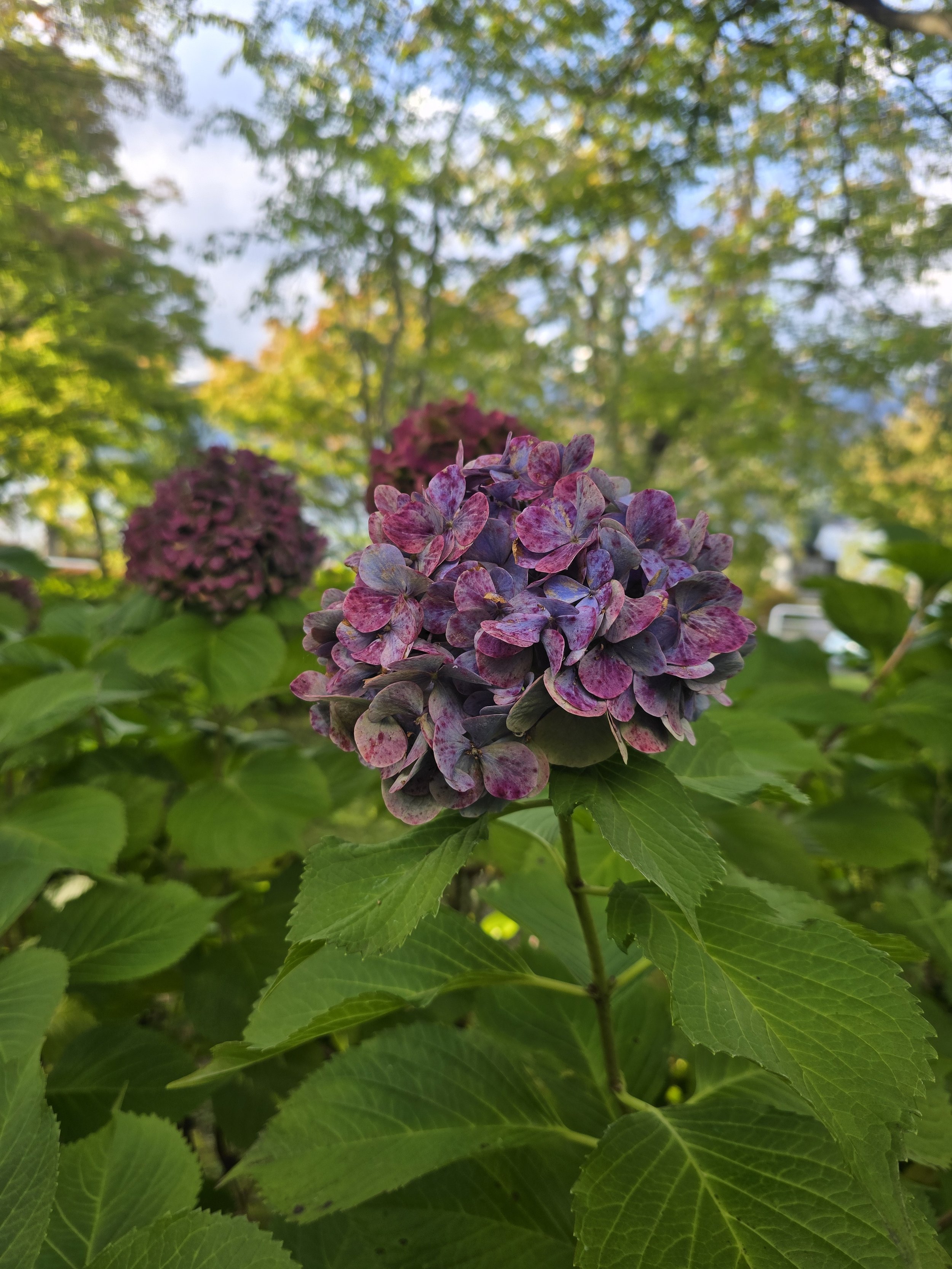
Hydrangea
Growing out of the fertile volcanic soil near the base of Mt. Fuji, I first found the hydrangeas. Mixes of blue and purple blooming clusters dotted amongst verdant leaves along the shore of Lake Kawaguchiko, reminding me of the flowers in my grandmother’s garden, or the ones my mom preferred in her bouquets. A flower that was native to both Asia and North America. The root was traditionally used by various Native American tribes for its healthful properties, and was later adopted into American folk herbal practices. The name comes from the Greek roots hydro (water) and angeion (vessel), describing the plant’s affinity for water, which mirrors the modern western herbalism approach of using the root of the plant for its affect on the urinary tract.
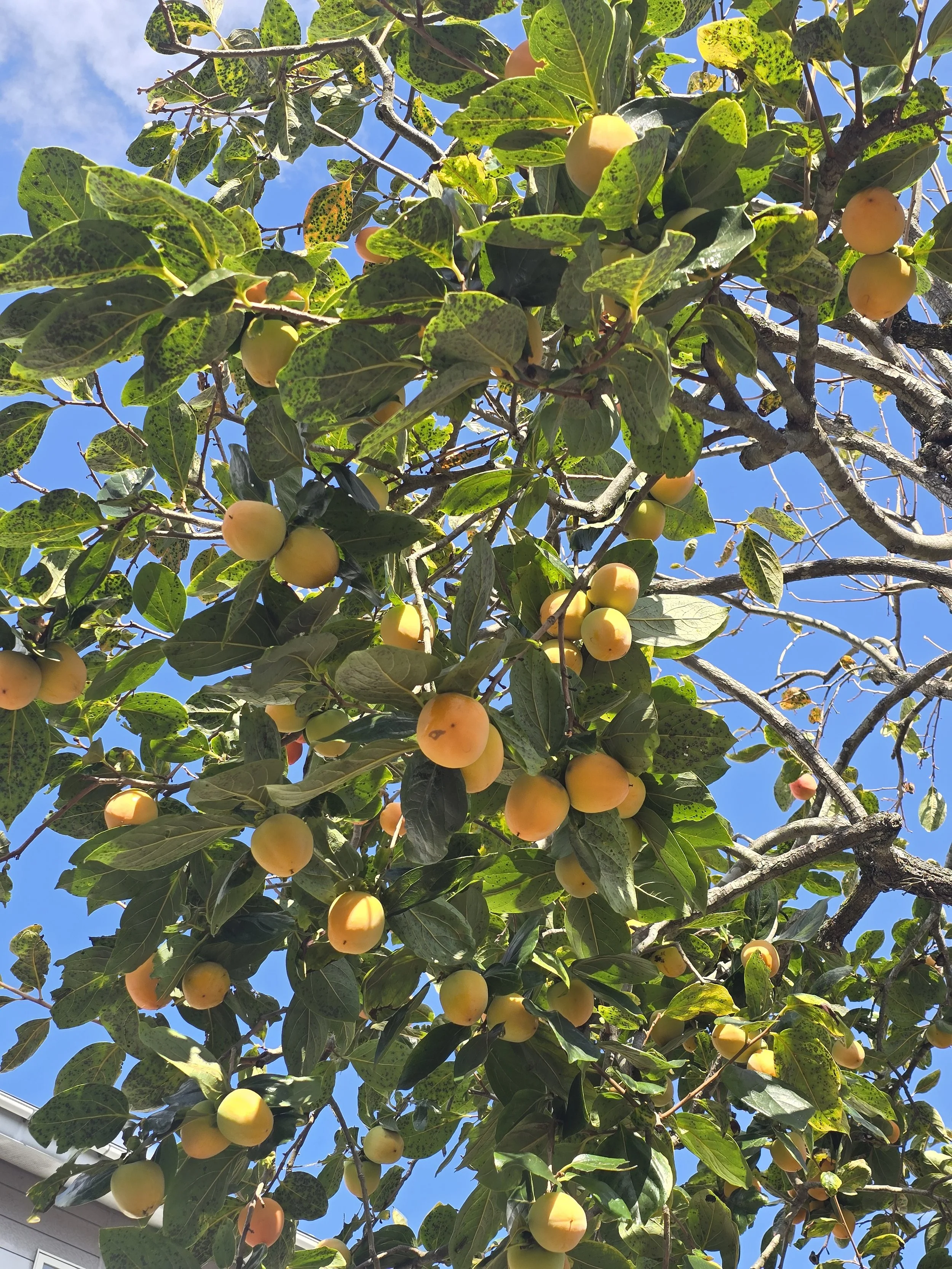
Persimmon
Walking from my hotel to the lake shore, I encountered a persimmon tree, just like the one that continues to grow at my childhood home. When I was younger, we would make cookies out of the fruit in the fall with a powdered sugar glaze. The fruits are full of potassium, iron, and calcium, as well as vitamins A, B, C, and E. In eastern folk medicine, the leaves of the tree were steeped into teas to combat excess edema, and for various respiratory illnesses. Western herbalism attributes most of the medicinal properties of the tree to the nutritional value of the fruit. For example, the high levels of potassium can act as a diuretic and remove excess fluid. Tannins in the unripe fruit can help with diarrhea, and the ripe fruit, which contains large amounts of pectin, can assist in relieving constipation.
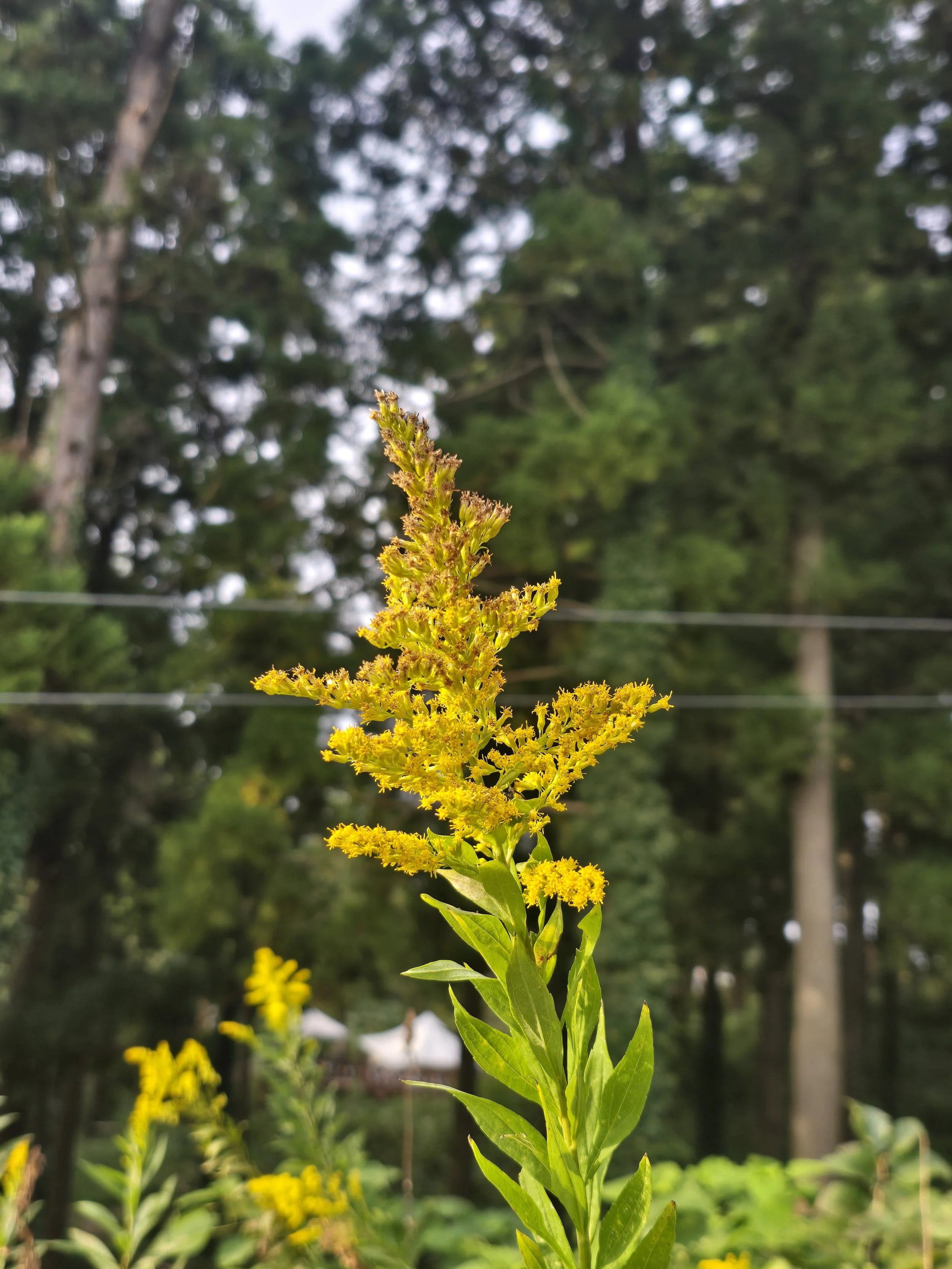
Goldenrod
This was an herb I had studied in school, but had not had the chance to work with. Goldenrod has traditionally been used for a number of ailments, both topically and internally. It is an important topical aid for sores, infections, toothache, burns, and wounds. Internally, it is used for several urinary, respiratory, and digestive ailments. I found it near the water’s edge, yellow flowers reaching for the sky like a splatter of sunshine on the surface of the lake, a hummingbird moth feeding on its nectar.
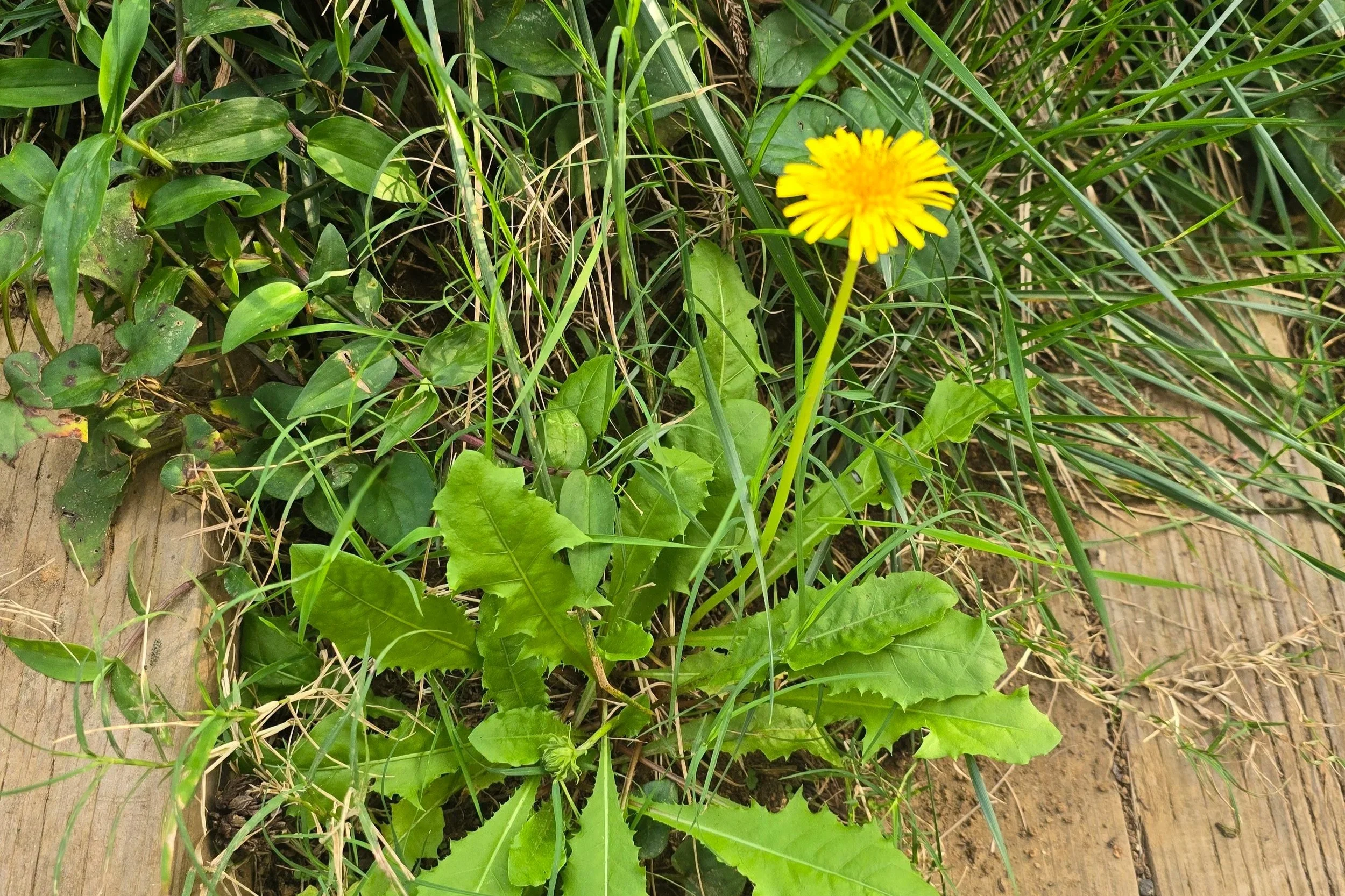
Dandelion
Back home, the dandelion is known for growing out of any nook, cranny, or crack in the sidewalk. Medicinally, it can be used safely whenever a diuretic action is needed, even for water retention related to heart problems due to its ability to spare potassium. As a hepatic and cholagogue, the root may be helpful for inflammation and congestion of the liver and gallbladder, making it a great choice to combat jaundice and muscular rheumatism. Overall, dandelion is a valuable general tonic, diuretic, and liver tonic. I found it growing between two wooden steps out in the countryside of the Chiba prefecture, and it was comforting to see that this determined plant was just as adept at surviving no matter where it grew.
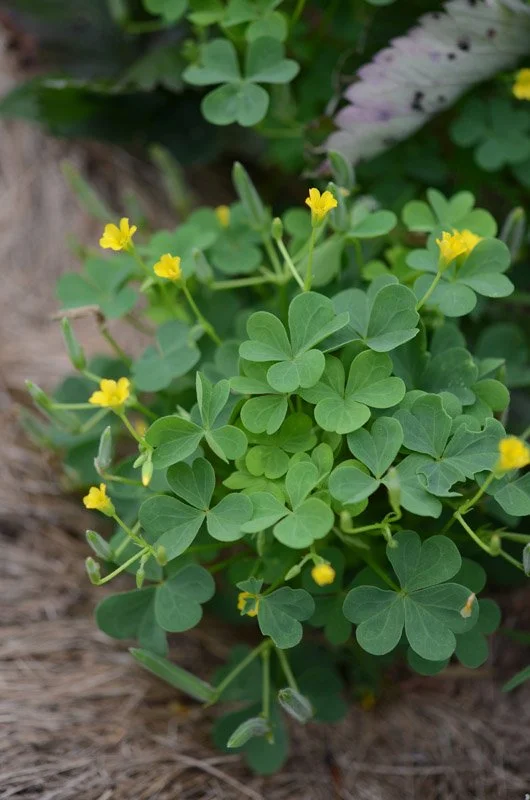
Yellow Woodsorrel
Yet another determined herb that carves its own path through our modern landscape, Oxalis stricta made an appearance on our trip when someone in my family had confused its leaf shape for that of a clover. Little did they know that their clover look-alike was packed with vitamin C due to the oxalic acid content that it was named for! The stems, leaves, and flowers are all edible, and, like the dandelion, are some of the first greens to pop up after the snow melts.
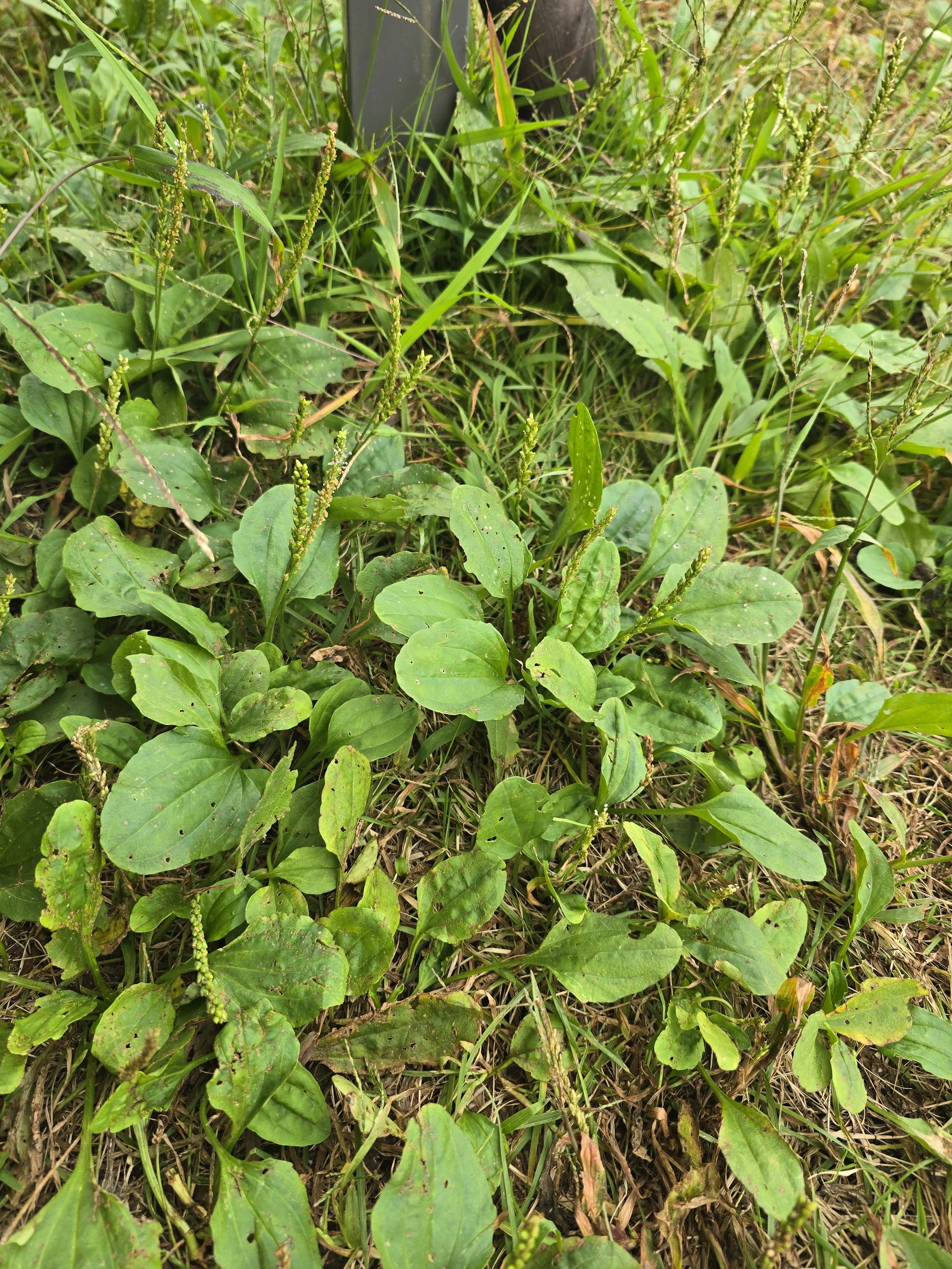
Broadleaf Plantain
One of my favorite first-aid herbs, plantain, grew in large patches throughout the countryside. Its leaves, which are rich in mucilage, tannins, and allantoin, are ideal for soothing irritated skin and promoting wound healing. Whether you use is as a poultice, in a salve, our chew it up on the side of the trail, plantain can help with all sorts of bug bites, stings, and other skin irritations. Luckily, we were not attacked by mosquitos or stung by bees on our trip, but nature’s pharmacy was ready for us if we needed it!
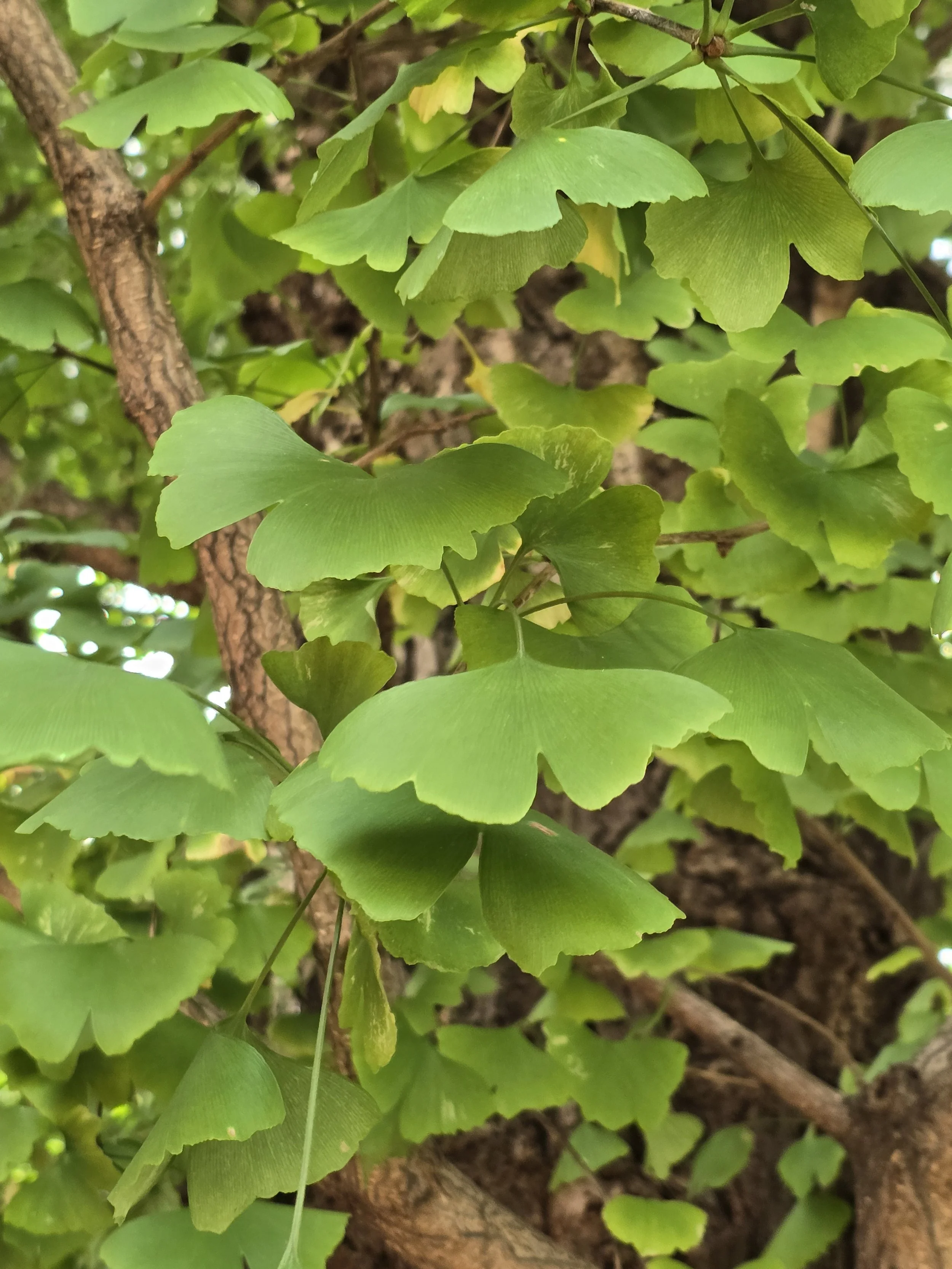
Ginkgo
In a small alcove of the Asakusa shrine, there is a monument dedicated to the writer Kawaguchi Matsutaro that is surrounded by ginkgo trees. They are often planted around Buddhist temples and Shinto shrines, where the ancient specimens are venerated as shinboku, or sacred trees housing local spirits. Ginkgo trees are also considered symbols of longevity, resilience, peace, and hope in Japan. Medicinally, they are known to be helpful in short term memory loss, headaches, dementia, stroke, long term depression, and possibly an effective preventative for those with family history of Alzheimer's. The tree’s antioxidant action also protects the mitochondria, and stabilizes blood glucose levels as well as ATP. It is only fitting that such a long-living, sacred tree be able to share some of its spirit in the form of medicine with us.
The Connection
While this did not exhaust every plant I came across on my trip to Japan, this list reminds us that the world is so much more connected than we realize. Every culture across the globe has, or at one time had, an herbal practice, an ancient form of medicine, and a tradition that looks uncannily similar to that of people far away. Despite other, more obvious cultural differences, we are all remarkably, utterly the same.
Enjoy this short video of a hummingbird moth drawing nectar from the flowers of a goldenrod plant.